

By 2028, anyone will be able to reproduce the visual codes of almost any culture, sub-culture or brand, at speed.
That is the central forecast in WGSN’s Key Trend 2028: Civilisational Storytelling. Generative media is about to make historically and culturally coded visuals cheap and abundant. The textures of legacy. The patina of age. The signals we have spent a century learning to read as proof of depth. All of it, on demand, at close to zero cost.
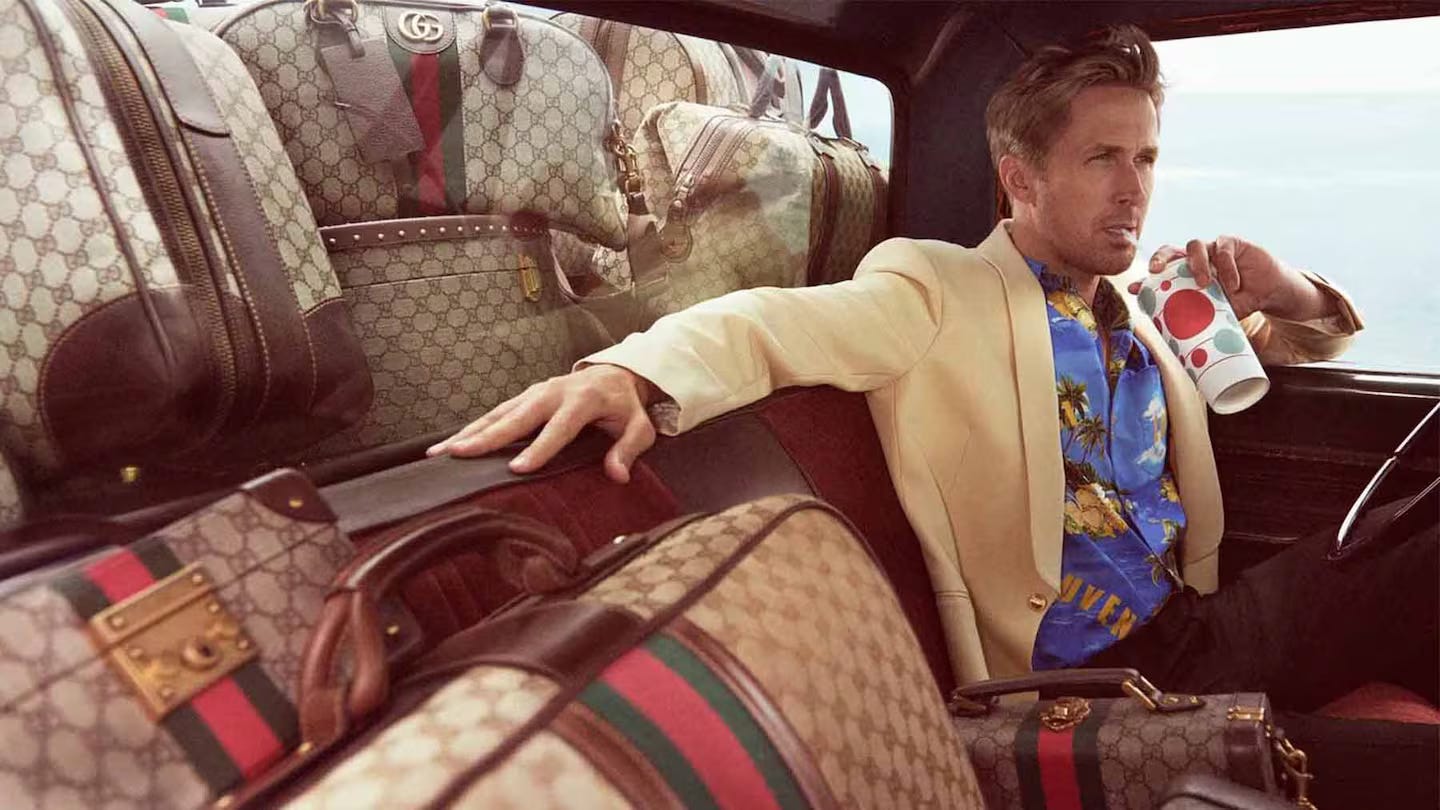
This is already happening, with many lifestyle brands borrowing the visual codes from any area of art, sports and entertainment without actually being a part of any of them.
The look of heritage is slowly becoming a commodity.
For someone like me, who spent 20+ inside brands that traded on their history, this feels strange and concerning. Inside those companies, the archive was power. Access to the real story, the real relationships, the real record was the thing you could not fake your way into. It was the absolute moat. And it was not an aesthetic, but rather proof that something real sat behind it.
That proof is about to break. When anyone can generate the surface, the surface stops proving anything.
So the question changes. If the look can be copied, what cannot?
I love how WGSN frames it. What stays difficult to replicate is access to specific knowledge, trusted relationships, and a consistent record of action. Not the image of the thing, but the thing itself.
This splits the market in two.
On one side, brands that wear heritage. On the other, brands that truly hold it.
Wearing heritage is borrowing a recognisable symbol and hoping the association transfers. It worked while brand codes were scarce. It stops working the moment those codes are free.
Holding real heritage is different. It means you can point to what you actually know, who actually trusts you, and what you have actually done over time, and prove it.
THAT cannot be generated, it can only be accumulated.
There is a wider door here too. WGSN pushes the definition of heritage past the usual one. Not only ancient craft and folklore, but also neighbourhoods, industrial knowledge, recent memory, the postwar decades or a closed factory down the road. A brand does not need a centuries-old lineage to have something real to carry forward.
It needs specificity, and the honesty to claim only what is its own.
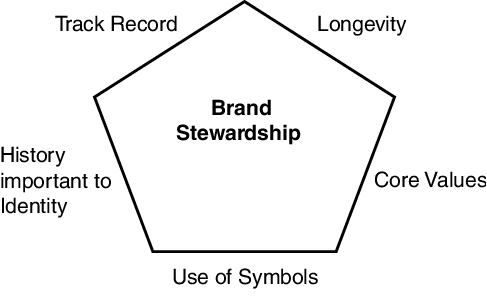
Which is the harder job here because history is not neutral, and it is not free to take. The biggest risk for brands now becomes claiming heritage they have no genuine stake in and/ or not honouring it properly. So they end up flattening it, or turning a living culture into consumable content and calling it a brand campaign. The line between stewardship and extraction these days is extremely thin, and audiences increasingly know which side a brand is standing on.
You cannot own a meaning you did not earn.
This is not new, I have watched this unfold for years. For most of the last decade the strategy was to win attention. Attention was the scarce resource, so we rented it, at rising prices, in ever shorter bursts.
Abundance ends that game. When the surface is free, attention is worthless as a moat. What (still) holds is meaning. The knowledge, the relationships, the record, the lineage a brand can credibly continue. Those are not just an archive, but assets, an engine to build the future on. They compound. And they cannot be prompted into existence.
Attention is rented. Meaning is owned.
And interestingly enough, WGSN has now put a date on it - 2028. I doubt that brands have so much time left to figure this out, but if this were true, the brands that are ready in 2028 will be the ones deciding today what they actually know, what they can prove, and which story is genuinely theirs to carry forward.
The rest will keep buying the look and call it branding. Soon anyone can.
Which is why it will stop being worth anything.
Thank you for sharing this Oana. Great article. You called it when you used the word “surface.” A brand can borrow the codes of heritage, but it cannot manufacture the depth beneath them. Heritage is lived, inherited or earned over time. Without that proof of story it remains cosmetic, and I’d like to think consumers can feel the difference. I recently wrote about the inverse through the idea of “story dressing”: what happens when we draw upon the heritage, rituals and memories that are genuinely ours. Perhaps that is the distinction. Borrowed heritage uses story as decoration. Lived heritage gives decoration meaning. https://laurasaleh.substack.com/p/what-playing-backgammon-with-my-dad?r=2cbunn&utm_medium=ios
You are right that the visual codes stop proving anything. Once anyone can generate the look of an archive, the look is no longer evidence.
But not everything on the garment is an image. A hand rolled hem, a hand padded lapel, a properly set sleeve, those cannot be one by someone who was not taught and there is no route to them except one person showing another person…
What it cannot tell you is whose heritage. The skill might sit in a workshop three countries from the brand that commissioned it, which means the most generation proof thing in the garment is evidence of somebody’s heritage, and not necessarily the one on the label.